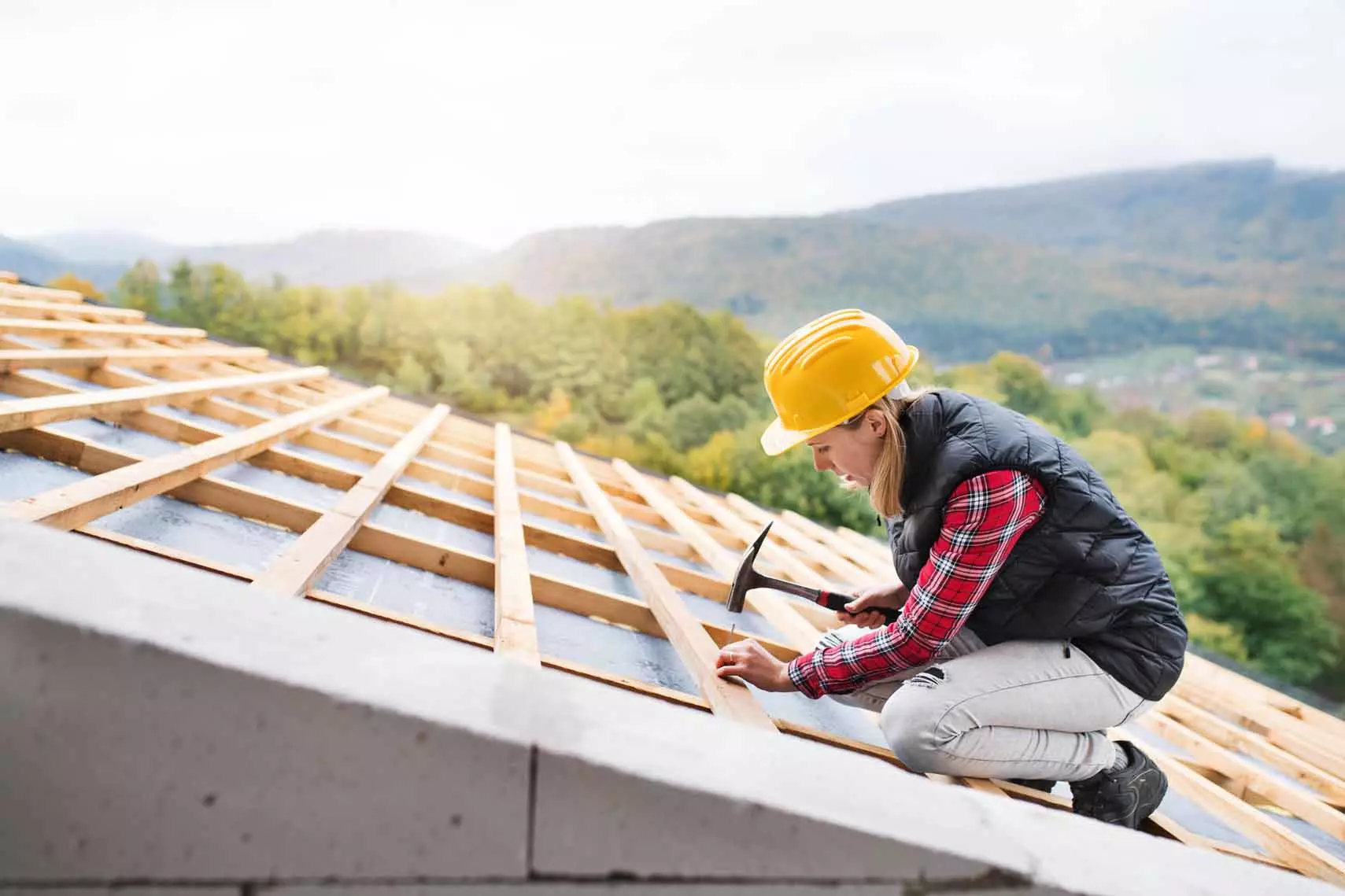
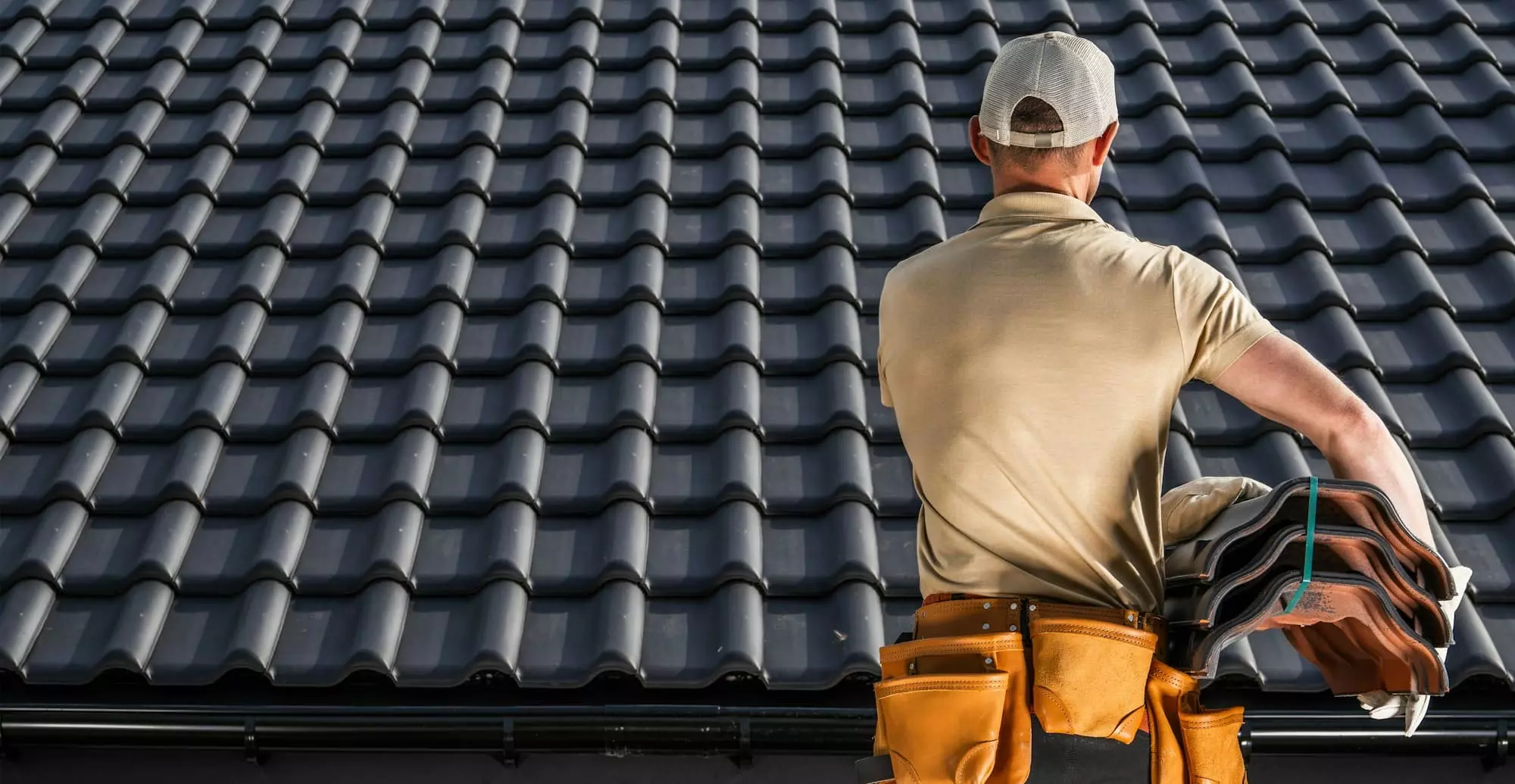
Regular roof inspections are essential to maintaining a safe, durable, and long-lasting roof. While professional inspections are highly recommended, homeowners can perform a basic DIY inspection to identify early signs of damage. Catching problems early helps prevent costly repairs and extends the life of your roof. This guide will explain how to safely inspect your roof, what to look for, and when to call a professional.
Start With a Visual Inspection From the Ground
The safest way to begin a roof inspection is from the ground. Using binoculars, you can check for visible signs of damage without climbing onto the roof. Look for:
Missing, cracked, or curling shingles
Discoloration or uneven areas
Debris accumulation
Signs of sagging or uneven rooflines
Observing your roof from the ground allows you to identify obvious problems safely and decide whether further inspection is necessary.
Check Your Gutters and Downspouts
Gutters often provide clues about your roof’s condition. Inspect them for:
Shingle granules collecting at the bottom, indicating wear
Leaves and debris that can cause blockages
Rust or corrosion on metal gutters
Excess granules in gutters suggest your shingles are aging or deteriorating. Cleaning and maintaining gutters also prevents water damage to your roof and home foundation.
Inspect for Water Damage Inside Your Home
Sometimes roof problems show up inside rather than outside. Check your home for:
Water stains on ceilings and walls
Mold or mildew in the attic
Sagging drywall or ceilings
Water stains often indicate a leak that may be caused by damaged shingles, flashing issues, or improper sealing. Identifying these signs early allows for timely repairs.
Examine Flashing Around Roof Penetrations
Flashing is metal installed around chimneys, vents, skylights, and other roof penetrations to prevent leaks. Damaged flashing can lead to serious water intrusion.
Look for:
Rust or corrosion
Cracks, gaps, or loose metal
Signs of water stains nearby
If you notice any issues with flashing, consider contacting a professional roofer to repair or replace it correctly.
Inspect Shingles for Damage
Shingles are your roof’s first defense against the elements. During your inspection, look for:
Cracked, curled, or missing shingles
Shingles with granule loss or discoloration
Shingles that appear uneven or lifted
Minor damage can often be repaired, but extensive issues may require professional replacement. Early intervention prevents leaks and structural damage.
Check Attic Ventilation and Insulation
Proper ventilation and insulation are critical for roof performance. In your attic, look for:
Signs of moisture or mold growth
Adequate airflow from vents
Proper insulation coverage
Poor ventilation can cause heat and moisture buildup, which accelerates shingle deterioration and leads to potential leaks. Correcting ventilation issues helps protect your roof and prolong its life.
Safety Tips for DIY Roof Inspections
Roof inspections can be dangerous. Keep these safety tips in mind:
Avoid walking on steep or slippery roofs
Use a sturdy ladder and have someone assist you
Wear non-slip shoes and safety gear
Consider professional help for high or complex roofs
If you’re unsure about your roof’s safety or condition, it’s better to hire a professional than risk injury or accidental damage.
Seasonal Inspection Recommendations
Conducting inspections at key times of the year helps prevent damage and maintain your roof:
Spring:
Check for storm damage from winter snow or ice
Remove debris and moss buildup
Fall:
Clean gutters and downspouts
Inspect shingles and flashing before winter storms
After Severe Weather:
Look for missing or damaged shingles
Inspect for leaks, dents, or roof penetration issues
Regular seasonal checks ensure early detection and timely repairs.
When to Call a Professional
DIY inspections are useful for spotting visible problems, but some issues require professional expertise:
Structural concerns or sagging areas
Extensive shingle damage
Hidden leaks or interior moisture issues
Complex roof designs or high-pitched roofs
Professional roofers have the tools, experience, and safety equipment to identify hidden damage and recommend appropriate solutions. Combining DIY checks with professional inspections offers the best protection for your home.
Benefits of Regular Roof Inspections
Regular inspections, both DIY and professional, provide several advantages:
Early detection of problems reduces repair costs
Extends the lifespan of your roof
Prevents leaks, mold, and structural damage
Maintains energy efficiency and indoor comfort
Preserves home value and curb appeal
Proactive maintenance ensures your roof remains durable and reliable, protecting your family and belongings.
Conclusion
DIY roof inspections are a valuable tool for homeowners to monitor the condition of their roof. By starting with a ground-level visual check, inspecting gutters, attic spaces, shingles, and flashing, you can identify early warning signs of damage. Seasonal checks and safety precautions help prevent accidents and ensure thorough inspections.
While DIY inspections provide helpful information, combining them with professional inspections is the best approach to keep your roof in optimal condition. Catching problems early, performing preventive maintenance, and addressing damage promptly can save significant costs and extend the life of your roof, ensuring your home remains safe and well-protected for years to come.